
How to Know if a Bengal Cat Is Right for You
The Bengal cat is one of the most striking and exotic-looking domestic cat breeds. With its leopard-like spots and sleek, muscular body, this active house cat looks like a tiny wild feline roaming your living room. Originating in the 1960s when Jean Mill crossed an Asian leopard cat with a domestic cat, the Bengal was designed to combine the elegance and energy of wild cats with the companionship of a domestic pet. Today, Bengal cats are highly sought-after by cat enthusiasts who want a playful, intelligent, and visually stunning feline companion.
The Exotic Look and Physical Traits of Bengals
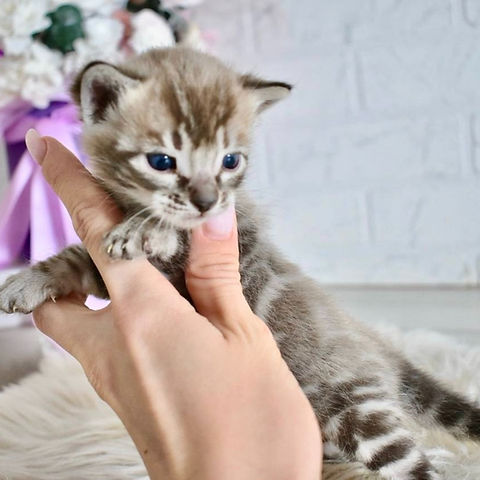
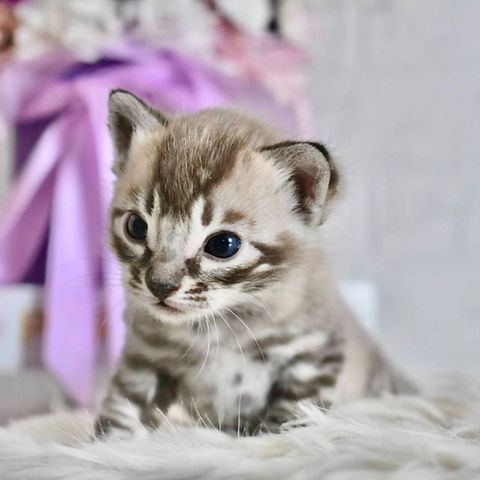
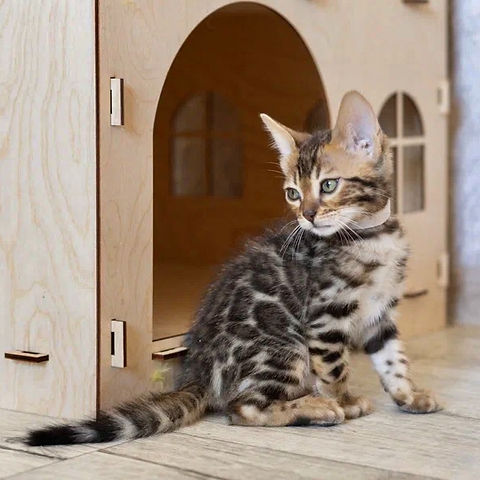
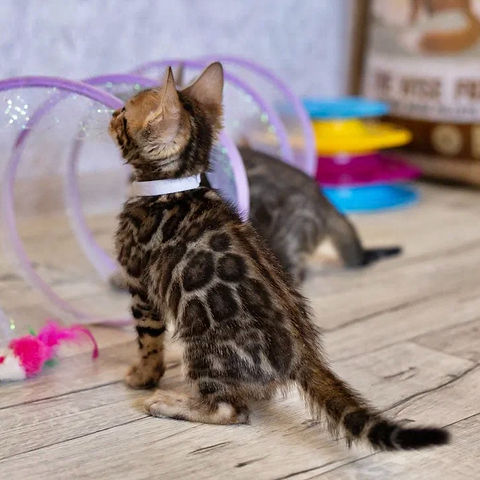
Bengal cats are instantly recognizable for their short, silky coats that feature marbled or spotted patterns reminiscent of wild leopards. Their coat colors range from brown and silver to snow, often with rosettes or striking markings that highlight their exotic heritage. Bengal cats also have piercing eyes in green, gold, or blue and a muscular, athletic frame built for activity. Despite their wild appearance, Bengals are domestic cats that are highly energetic, intelligent, and agile, making them perfect for owners who can provide interactive play and mental stimulation.
Energetic Personality and Playful Behavior
Bengal cats are extremely lively, curious, and intelligent, requiring plenty of space to climb, jump, and explore. They are naturally inquisitive and will investigate every nook and cranny of your home, making high shelves and vertical spaces perfect for their activity. Many Bengals even enjoy water, such as chasing dripping taps, which is unusual for most cats. This playful behavior, combined with their social and affectionate nature, makes Bengals ideal companions for active families who enjoy engaging with their pets regularly.
Training, Grooming, and Care Essentials
Training and grooming are essential aspects of Bengal cat ownership. Using high-protein, low-calorie treats helps motivate Bengals during training, reinforcing positive behaviors without overfeeding. Their short coats require minimal upkeep but benefit from weekly brushing to maintain shine, distribute natural oils, and prevent hairballs. Regular ear checks and dental care, including veterinary-approved toothpaste and chew toys, help prevent infections and maintain overall health. Proper grooming and care ensure Bengals remain healthy, active, and social members of your household.
Living Environment and Family Compatibility
Bengal cats thrive in homes that provide mental stimulation, vertical spaces, and regular interaction with humans or other pets. They enjoy temperatures between 70°F and 80°F (21°C–27°C) and basking in sunlight when possible. Early socialization helps kittens develop confidence and good behavior, preparing them for life in busy households. Bengals are ideal for families who can offer time, attention, and engagement, making them suitable for homes with older children, other pets, or two Bengals for companionship. With the right environment, a Bengal cat becomes a hyperactive yet gentle, loving, and entertaining family member.
Showing 1–9 of 12 results
Amara Bengal female kitten
$1,200.00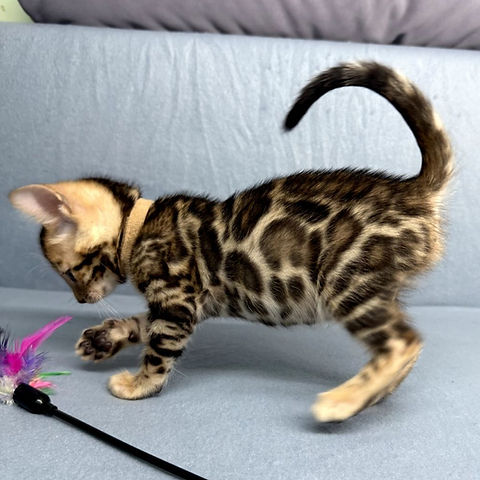
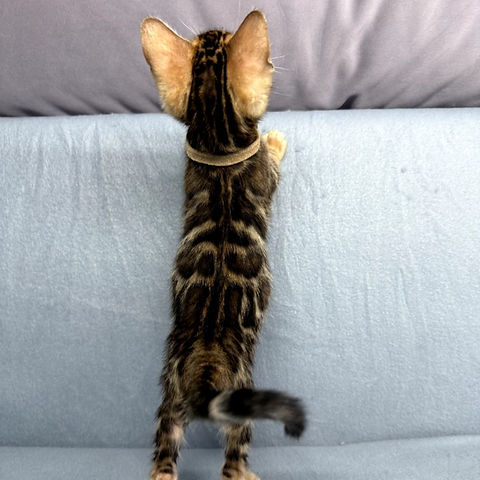
Apollo Bengal male kitten
$1,400.00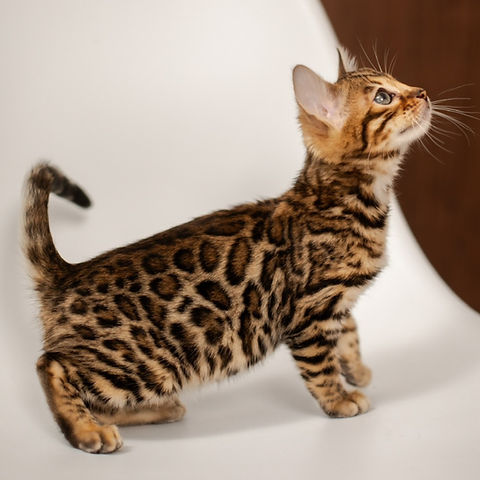
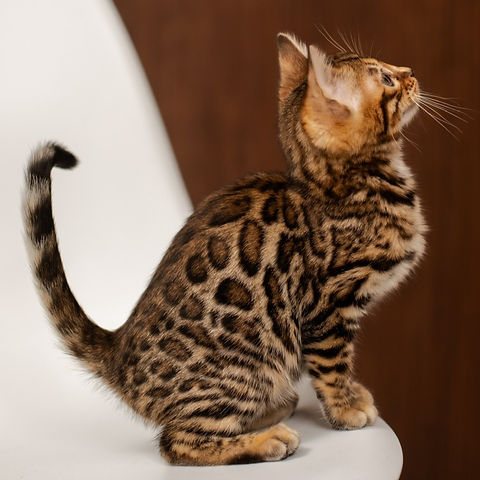
Bella Bengal female kitten
$1,300.00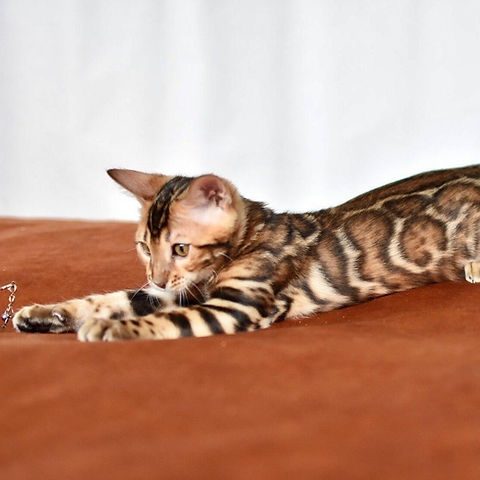
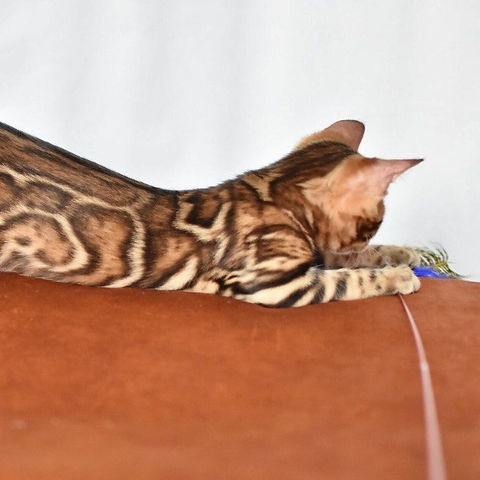
Cairo Bengal male kitten
$1,300.00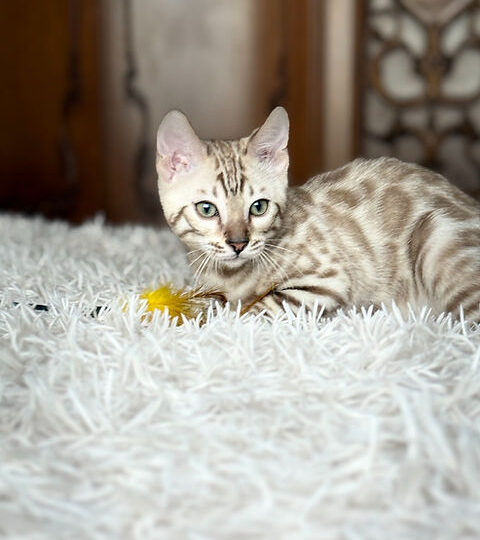
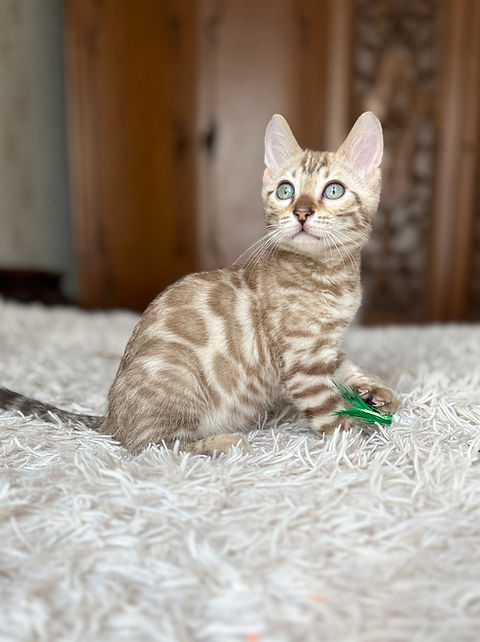
Koda Bengal male kitten
$1,400.00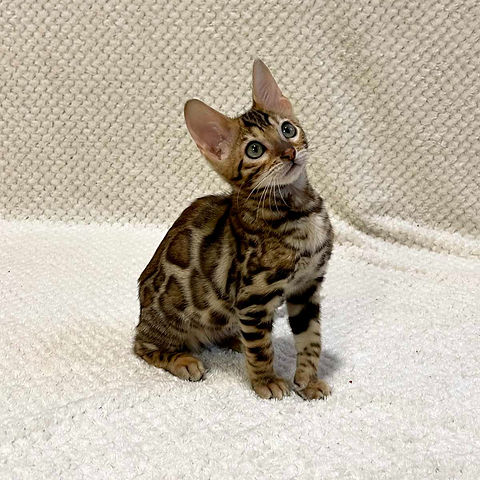
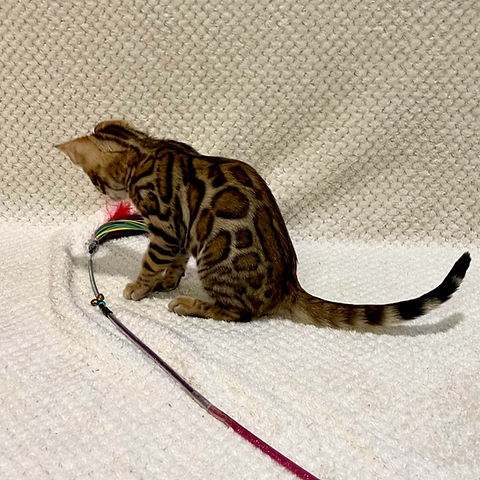
Leo Bengal male kitten
$1,300.00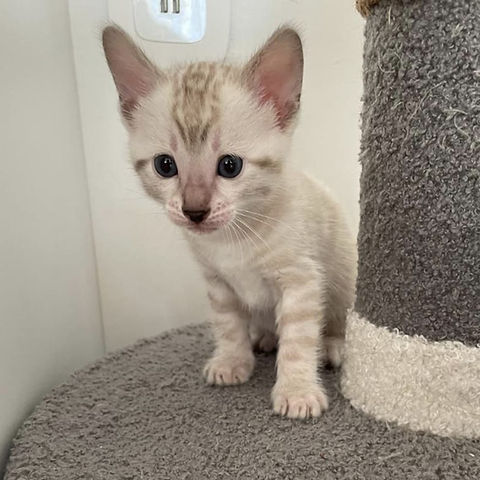
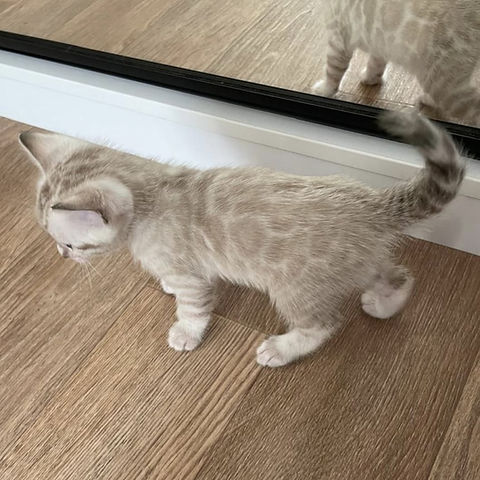
Nyla Bengal female kitten
$1,700.00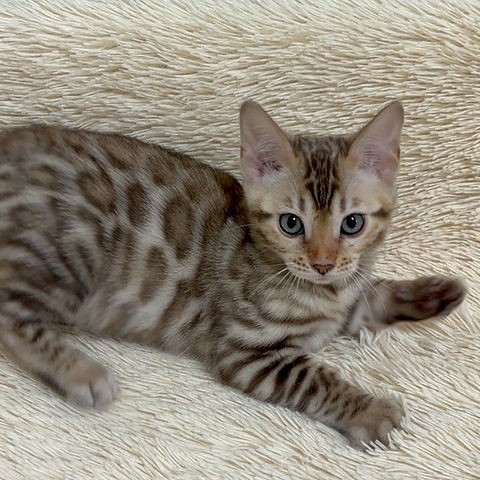
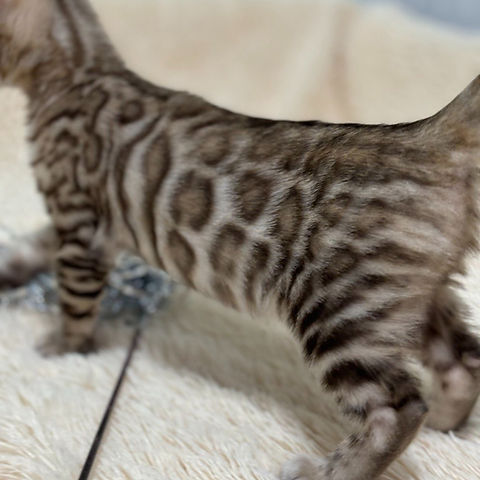
Selene Bengal female kitten
$1,200.00