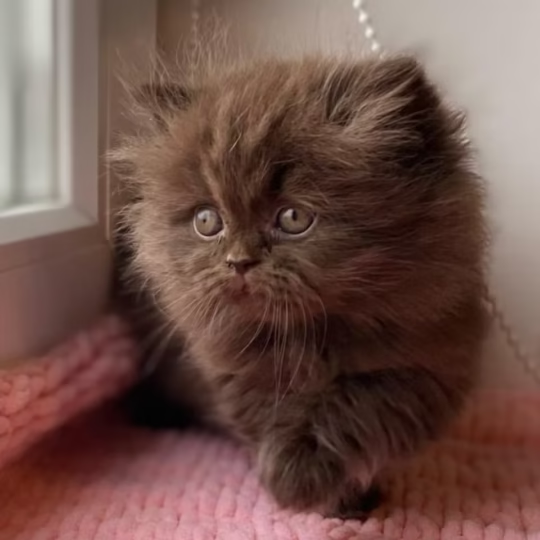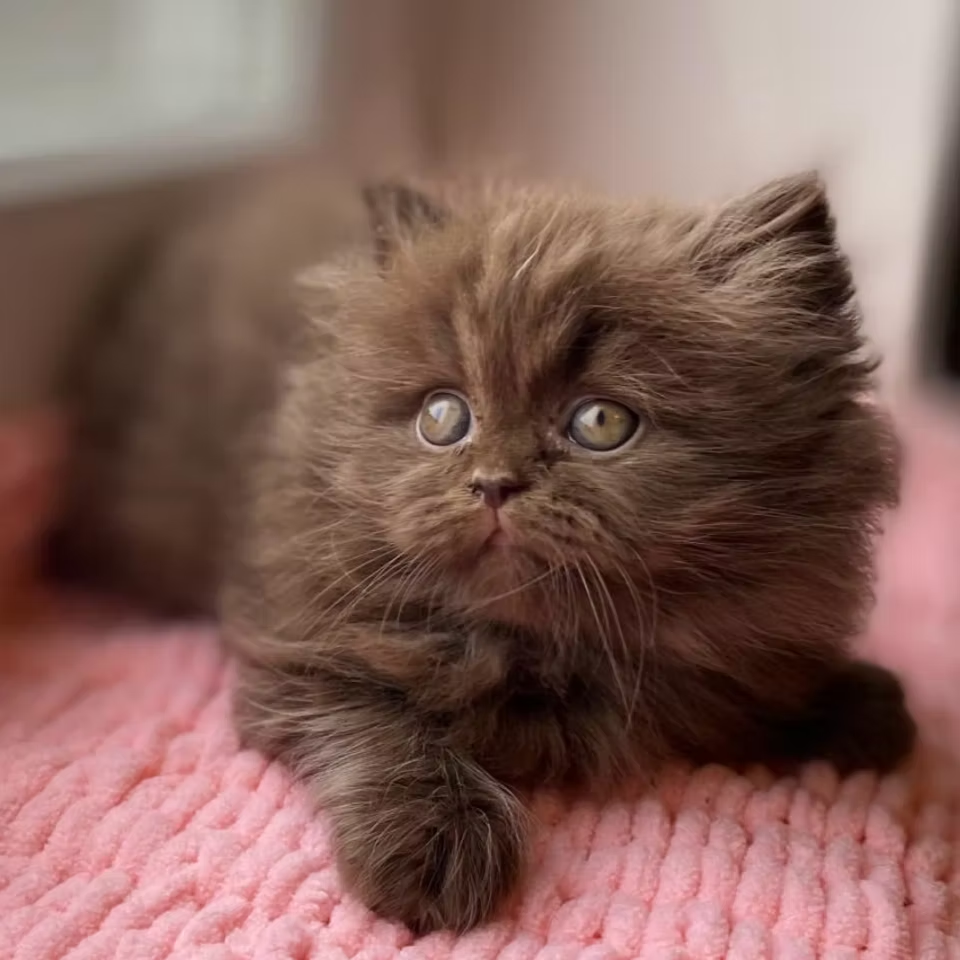

British Longhair Cats: Friendly, Low-Maintenance, and Gorgeous
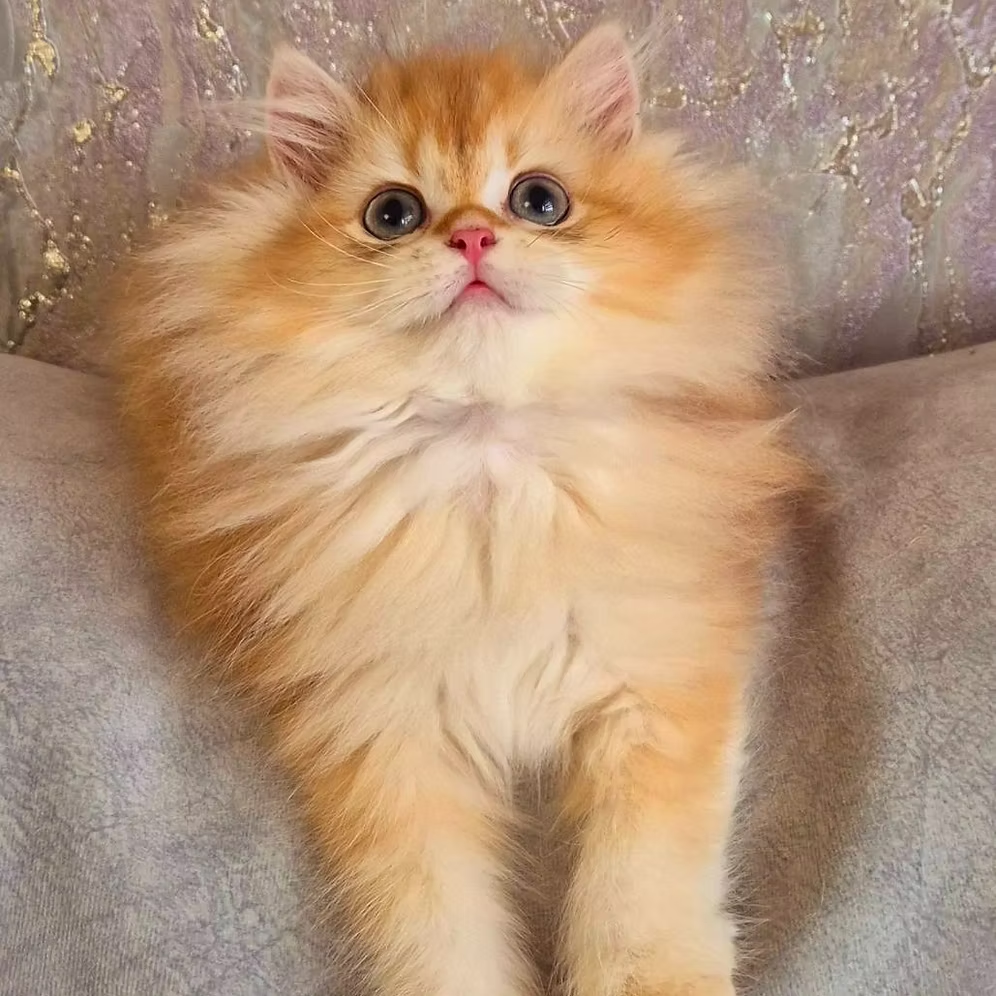
British Longhair cats are medium to large domestic cats known for their luxurious long coats, round expressive faces, and calm, affectionate personalities. With strong, muscular bodies beneath their fluffy fur, British Longhairs combine elegance with durability. Male cats typically weigh more than females, ranging from 8 to 16 pounds, and their thick coats come in colors like black, lilac, chocolate, and golden with patterns such as colorpoint, ticking, or bi-color. Despite their dense fur, this breed sheds less than many other longhaired cats.
Personality and Why British Longhairs Are Ideal for Families
British Longhairs are friendly, sociable, and enjoy both human companionship and independent play. They are low-energy cats, making them perfect for apartment living or families with a relaxed lifestyle. Their gentle and dependable temperament ensures they are safe and patient around children and other pets. Males tend to be more playful and attention-seeking, while females often display a poised, classic demeanor. Overall, they are ideal family-friendly cats with a low-maintenance personality.
Development, Health, and Socialization
The lifespan of British Longhairs ranges from 12 to 17 years when given proper care. Their key developmental stages include:
Kittenhood (0–6 months): Lively and curious, requiring early socialization and patience.
Adolescence (6 months–2 years): Growing independence while needing mental stimulation and bonding.
Adulthood (2–7 years): Peak physical and mental capacity, enjoying interactive toys and window lounging.
Senior (7+ years): Slower activity and potential joint stiffness; diet, exercise, and vet care are crucial.
Early socialization, positive reinforcement, and supervised exposure to people, animals, and environments help British Longhairs develop confidence and adaptability. Regular vet checkups, vaccinations, and preventive care are essential for long-term health.
Feeding, Grooming, and Care Guidance
British Longhair cats require a premium, balanced diet rich in animal-based protein, moderate fat, and minimal carbs. A mix of wet and dry food helps with hydration and urinary tract health, while breed-specific diets with omega fatty acids support their coat.
Grooming is essential to maintain their soft, thick coat. Brush at least three times per week with a slicker brush or comb to prevent tangles, matting, and hairballs. Occasional baths, regular nail trimming, dental care, and ear cleaning are also recommended. Proper feeding, grooming, and preventive care ensure British Longhairs remain healthy, active, and happy.
FAQs About British Longhair Cats
What makes British Longhair cats unique?
British Longhairs are distinguished by their round faces, large expressive eyes, and thick, plush coats. Their calm, affectionate, and flexible personality makes them ideal for families, single owners, and homes with multiple pets.
How do you groom a British Longhair properly?
Brush their coat several times a week using a slicker brush or comb, paying attention to tangle-prone areas like behind the ears and underarms. Occasional baths, nail trimming, and dental care will keep them healthy.
What is the best food for British Longhair cats?
High-protein, animal-based diets are best. Use wet food for hydration and urinary tract health, and dry food to support dental hygiene. Avoid artificial additives and adjust portions based on age, weight, and activity.
How do you care for British Longhairs daily?
Provide fresh water, a clean litter box, interactive play, and regular grooming. Monitor their coat, weight, and behavior, and schedule routine veterinary checkups to maintain long-term health.
Showing 1–9 of 11 results
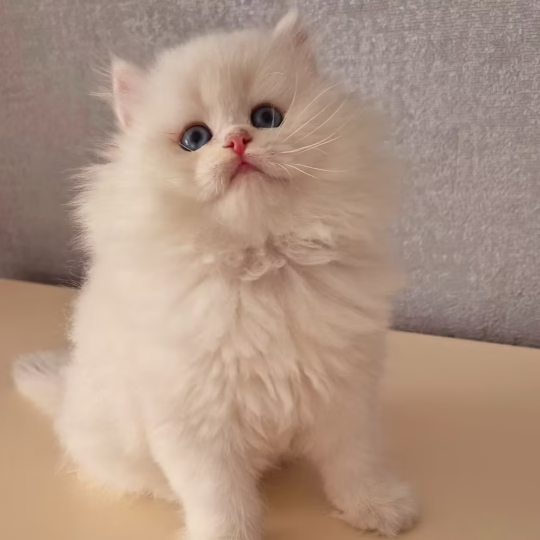
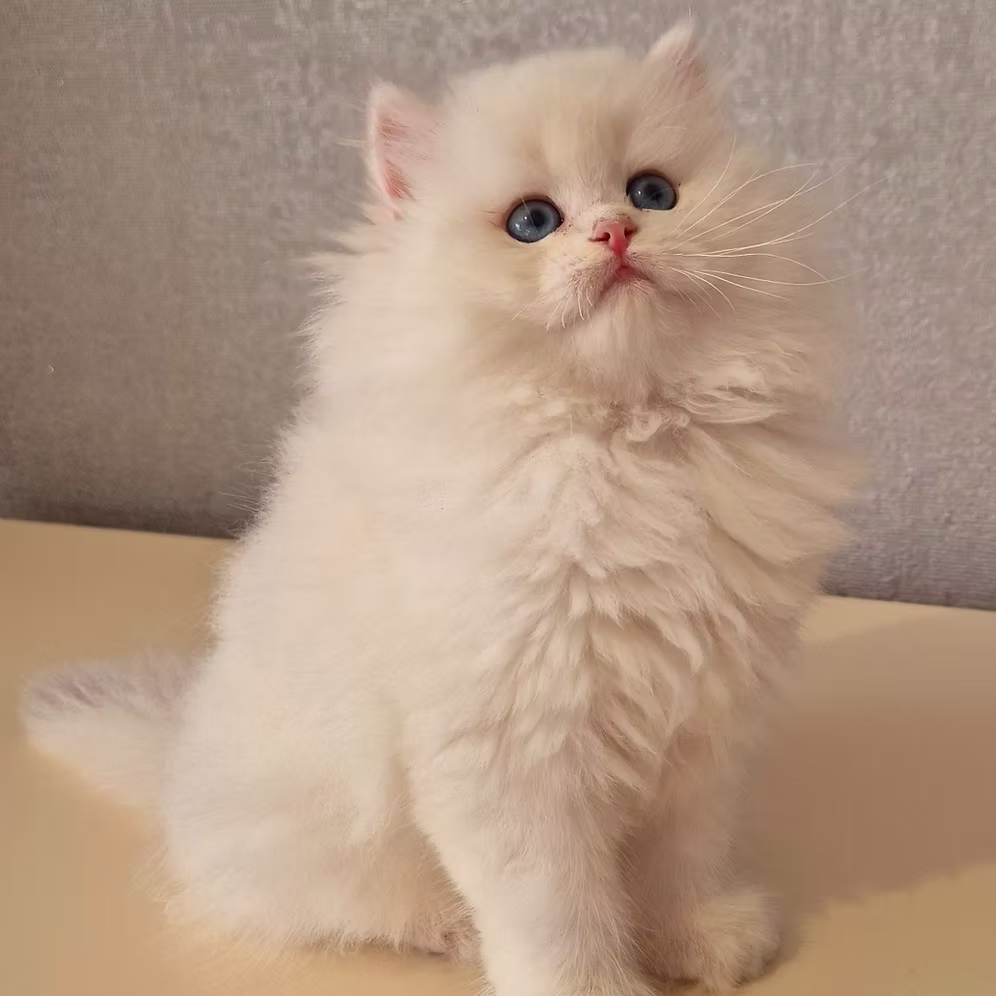
Aurora British Longhair female
$1,200.00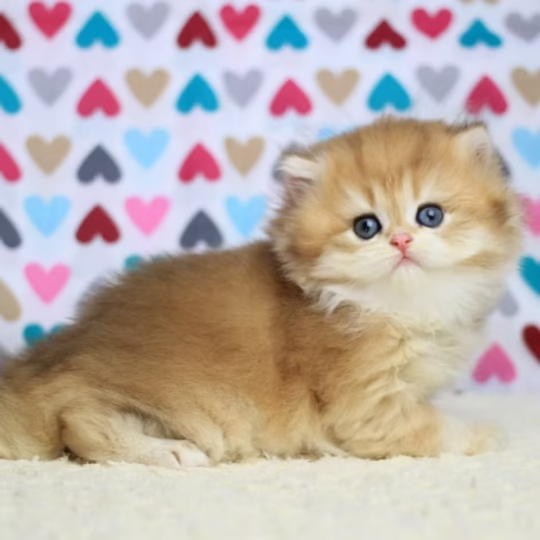
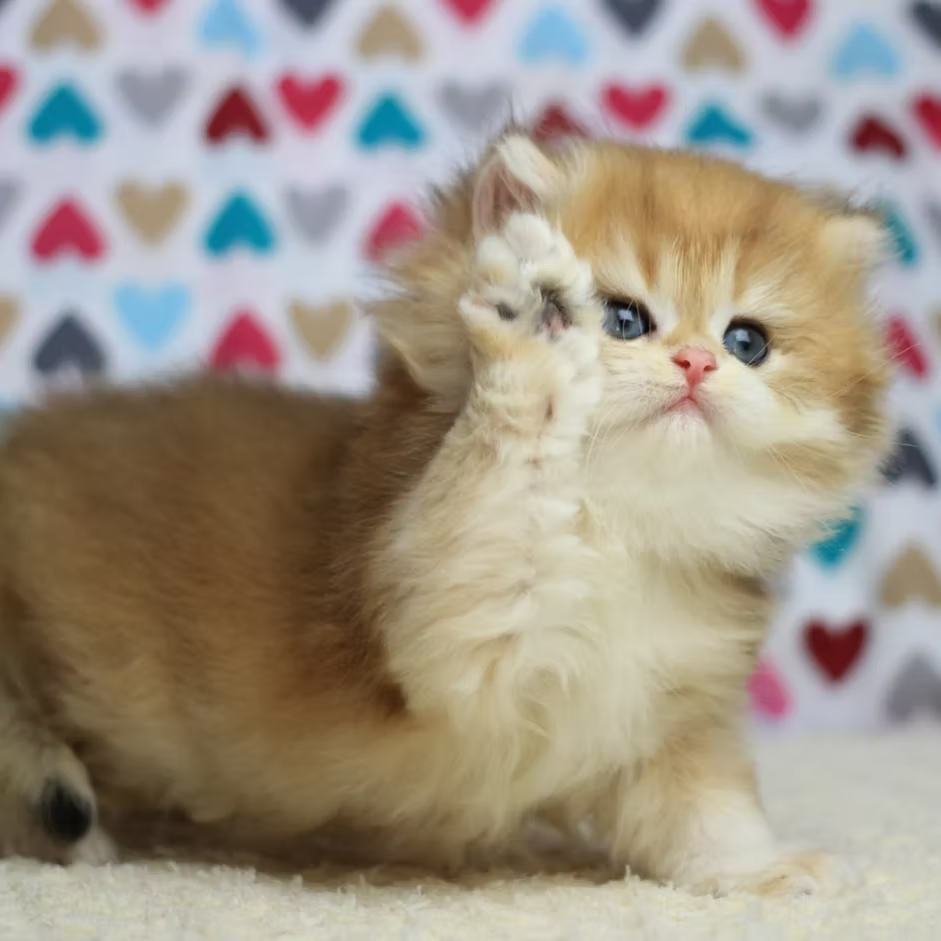
Isabella British Longhair female
$1,100.00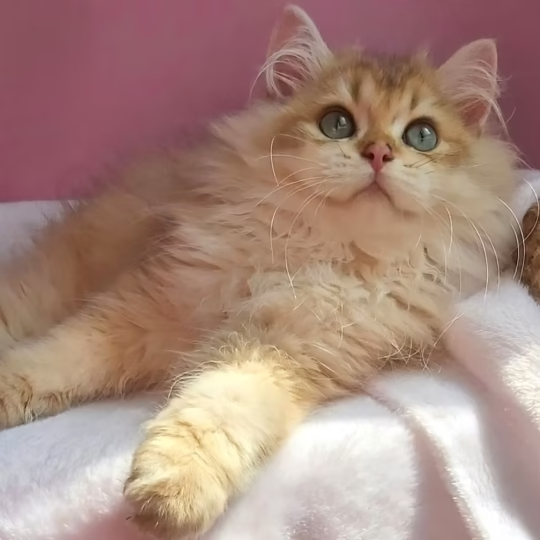
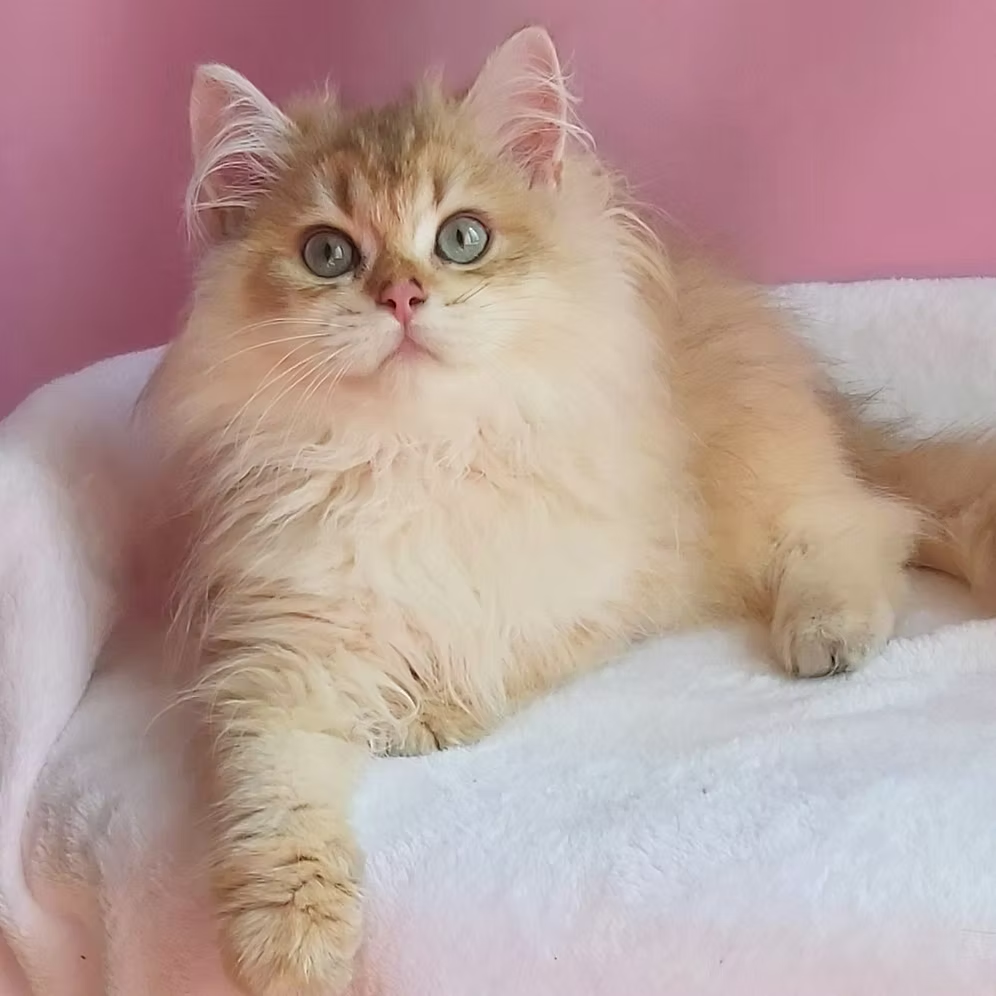
Jasper British Longhair male
$1,000.00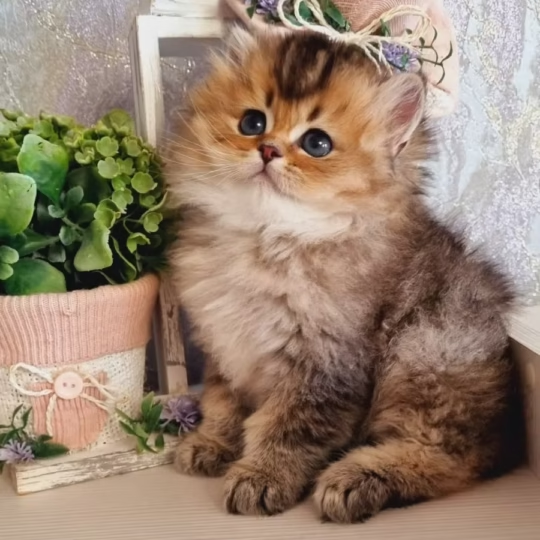
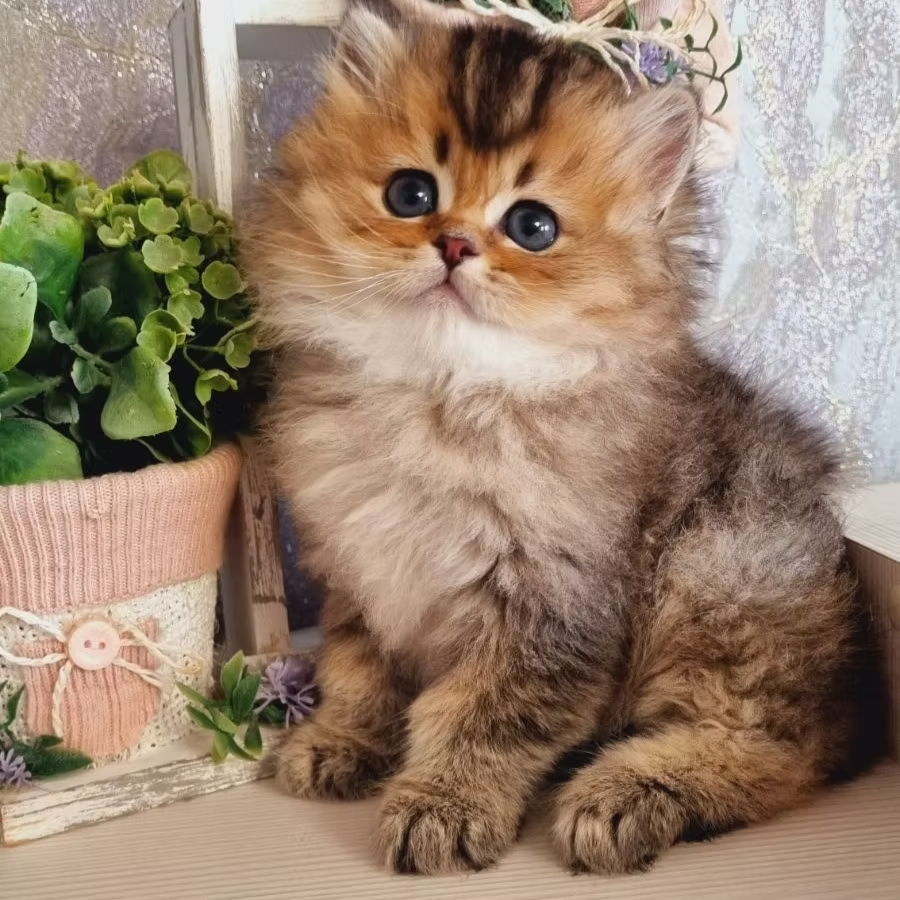
Leo British Longhair male
$1,100.00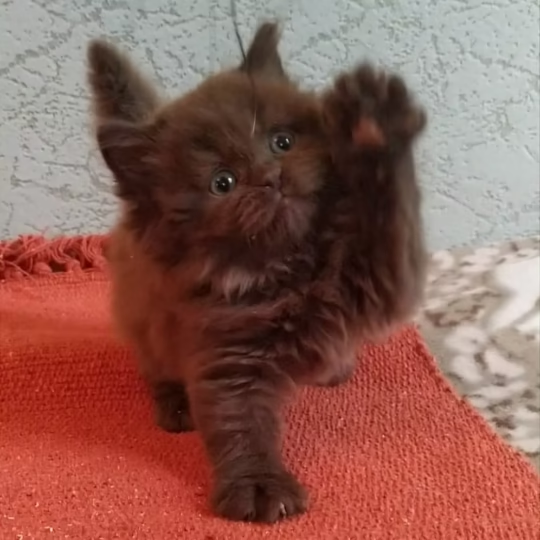
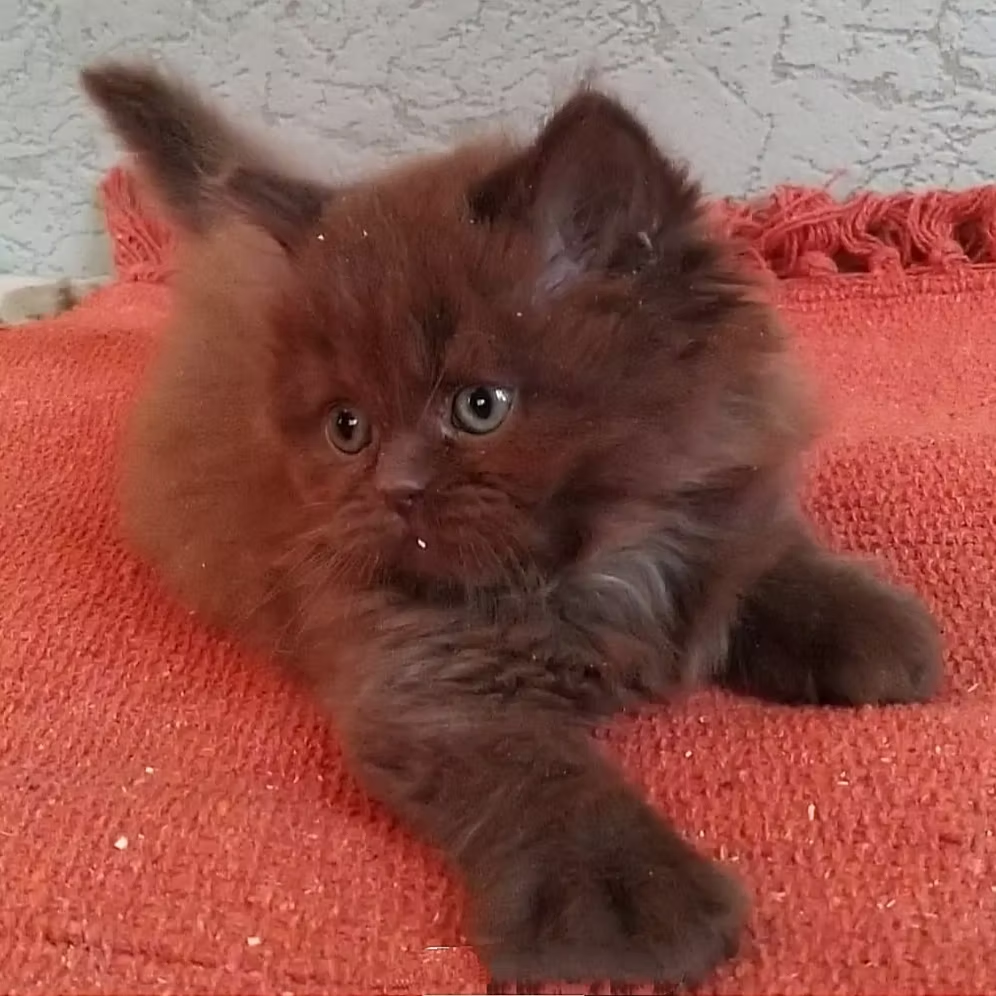
Max British Longhair male
$1,300.00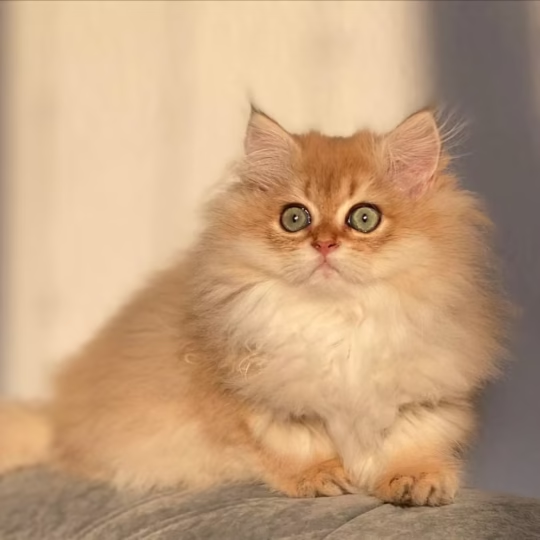
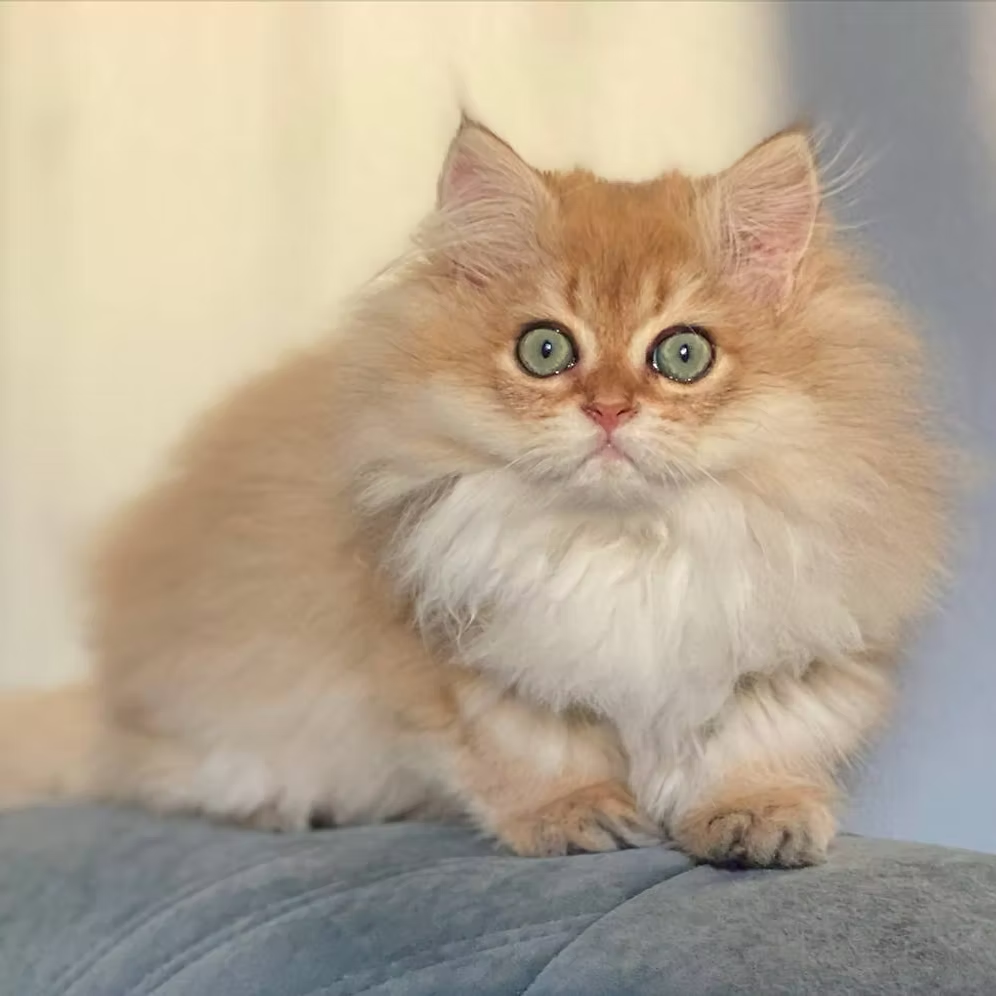
Maximilian British Longhair male
$1,300.00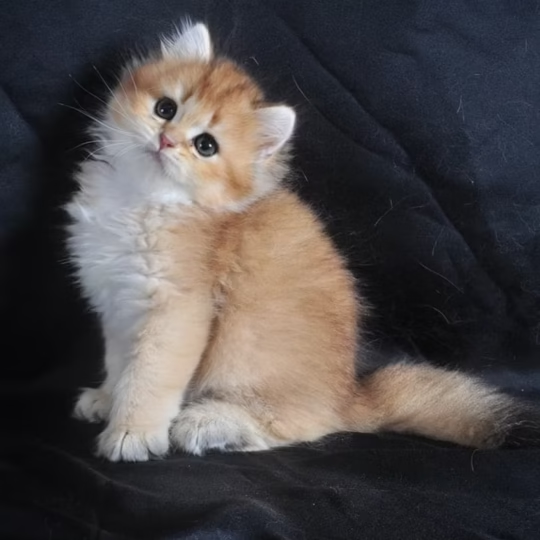
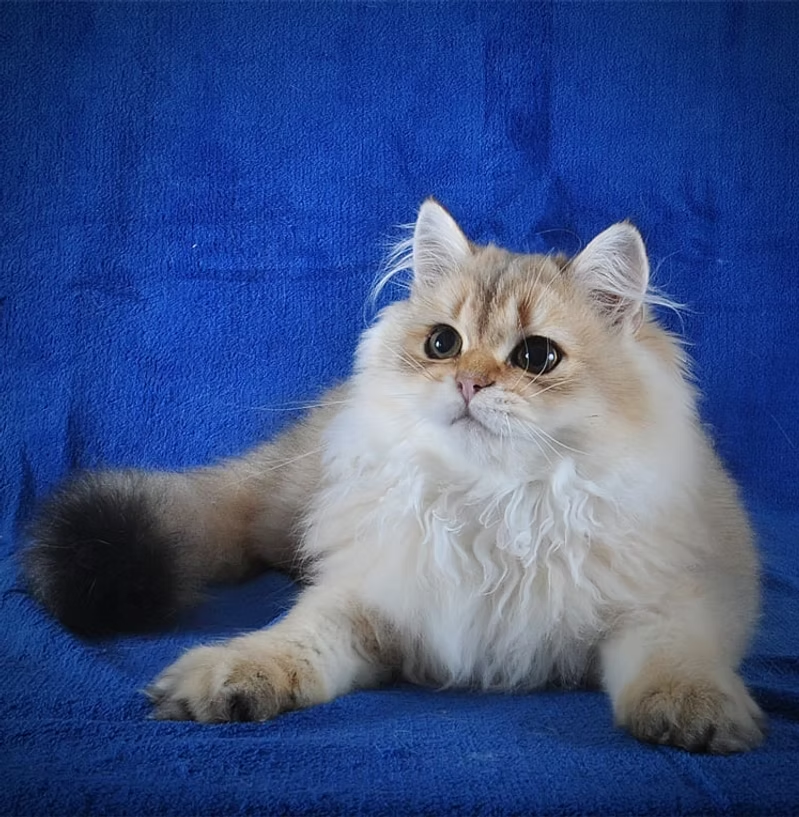
Sebastian British Longhair male
$1,200.00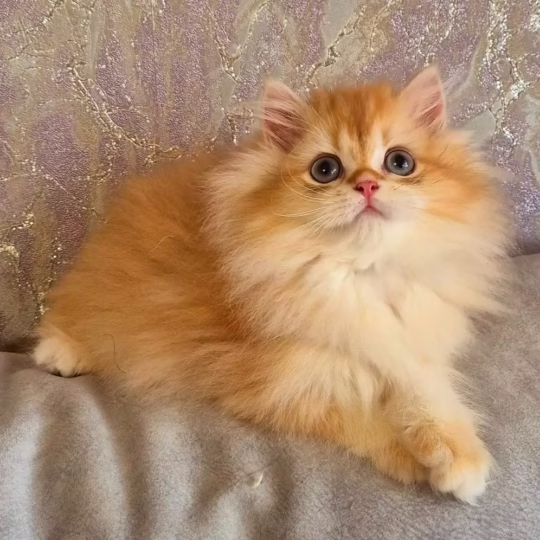
Theodore British Longhair male
$1,250.00