
Siberian Forest Cats: Loyal, Playful, and Hypoallergenic Companions
Introduction to the Siberian Forest Cat
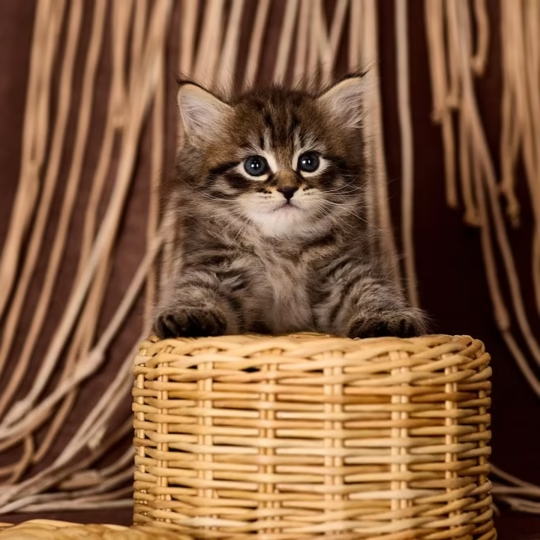
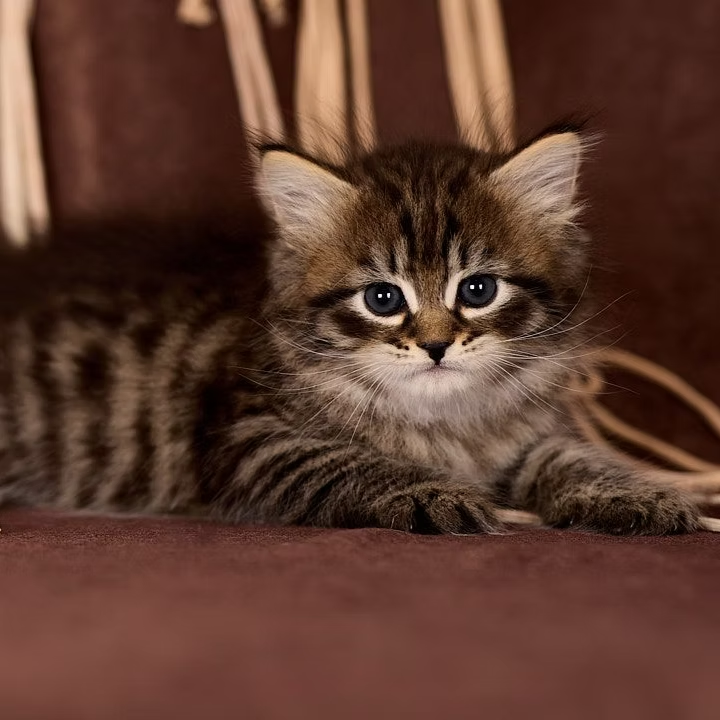
Siberian Forest cats are majestic, long-haired felines known for their playful personalities, loyalty, and affectionate nature. Native to the forests of Russia, these cats evolved to thrive in harsh climates while maintaining a gentle, social temperament. Siberians make excellent family pets, delighting their owners with interactive play, cuddles, and close companionship.
History and Origins
This breed has a rich history dating back to at least 1000 AD. Siberian cats were valued by farmers for rodent control and adored by Russian families as devoted house cats. They were featured in the first cat show in London in 1871, and formal breeding programs began in Russia in 1987. Siberians have since become internationally recognized for their resilience, affectionate nature, and adaptability.
Appearance and Physical Traits
Siberians are large, muscular cats with round, expressive eyes and a wedge-shaped head. Their medium-sized, rounded ears are often furnished with tufts, and their triple-layered coat, complete with a full ruff, gives them a regal appearance. Their water-resistant coat comes in a variety of colors and patterns. Adult Siberians typically weigh 15–20 pounds, making them strong, athletic cats, with a lifespan ranging from 10–18 years.
Personality and Temperament
Siberians are social, curious, and playful. They enjoy spending time with their human family, often following owners around the house. Males tend to be slightly more affectionate, while females may take time to warm up. Siberians are adaptable and tolerate children, other pets, and strangers, making them suitable for busy households. While they enjoy companionship, they are capable of independent play and aren’t overly needy.
Exercise and Mental Stimulation
Being intelligent and active, Siberians require regular play and mental stimulation. Interactive toys, climbing trees, and short training sessions help keep them engaged. Siberians respond well to clicker training and positive reinforcement, allowing them to learn tricks, play fetch, or navigate puzzle toys. Short, consistent play sessions prevent boredom, reduce unwanted behaviors, and strengthen bonds between cat and owner.
Grooming and Care
Siberians have a thick, triple-layered coat that requires brushing one to two times per week. During seasonal shedding, daily grooming helps prevent matting and hairballs. Regular nail trims, dental care, and ear inspections are essential. Thanks to their lower Fel d 1 protein levels, Siberians are often suitable for people with mild allergies, though complete hypoallergenicity cannot be guaranteed. With proper care, Siberians remain healthy, playful, and happy for many years.
Is a Siberian Forest Cat Right for You?
Siberians are ideal for families, apartment dwellers, and anyone seeking a loyal, intelligent, and affectionate companion. Their hypoallergenic potential, adaptability, and loving temperament make them suitable for a variety of households. At Kittens4Homes, our Siberian kittens are healthy, vaccinated, and well-socialized, ensuring they are ready to thrive in their new homes. Browse our adoption listings today to find your ideal Siberian companion.
FAQs
1. Are Siberian Forest cats good for families with children?
Yes! Siberians are gentle, social, and tolerant, making them excellent companions for kids. Their playful yet patient nature allows them to interact safely and joyfully in a family setting.
2. How much grooming does a Siberian require?
Siberians have a thick triple coat that needs brushing one to two times per week. During seasonal shedding, daily grooming may be required to prevent tangles, mats, and excess hair in the home.
3. Are Siberian Forest cats hypoallergenic?
Siberians produce less Fel d 1 protein than many other breeds, which can reduce allergic reactions in sensitive individuals. While they are not completely hypoallergenic, they may be suitable for people with mild allergies.
4. Can Siberians live in apartments or small spaces?
Yes. As long as they receive enough mental and physical stimulation through interactive play, climbing structures, and daily attention, Siberians can adapt well to apartment living.
Showing all 8 results
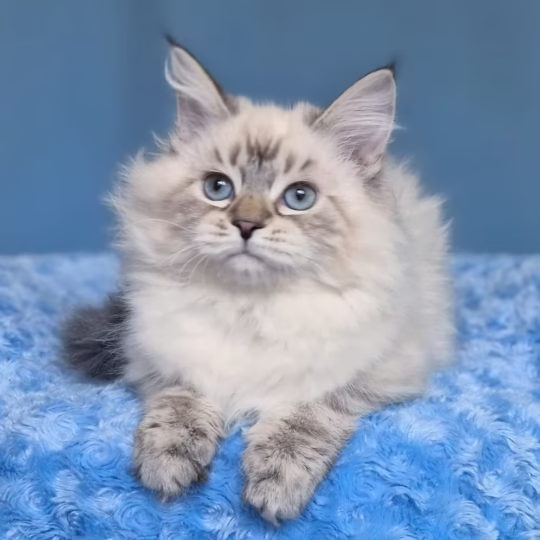
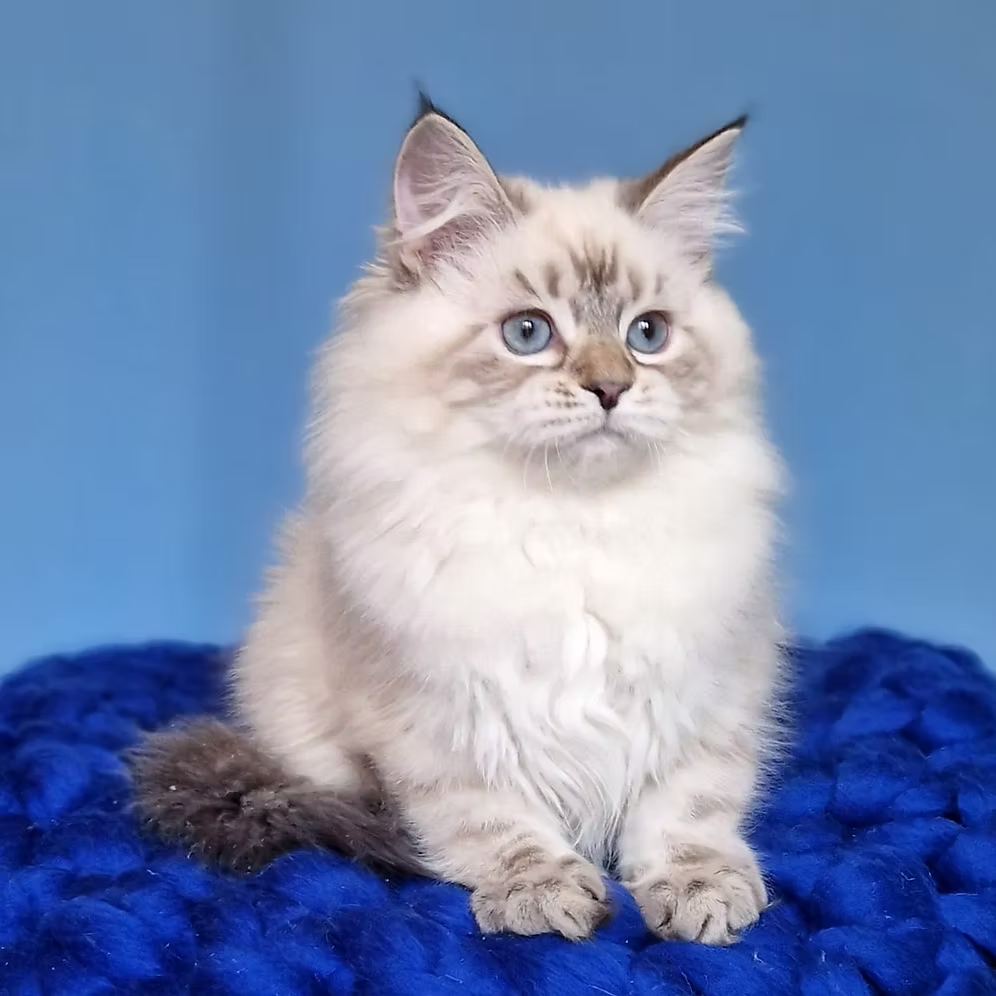
Anika Siberian female
$1,400.00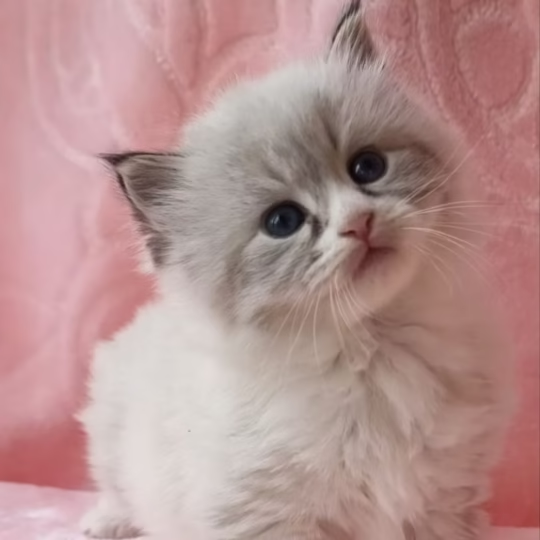
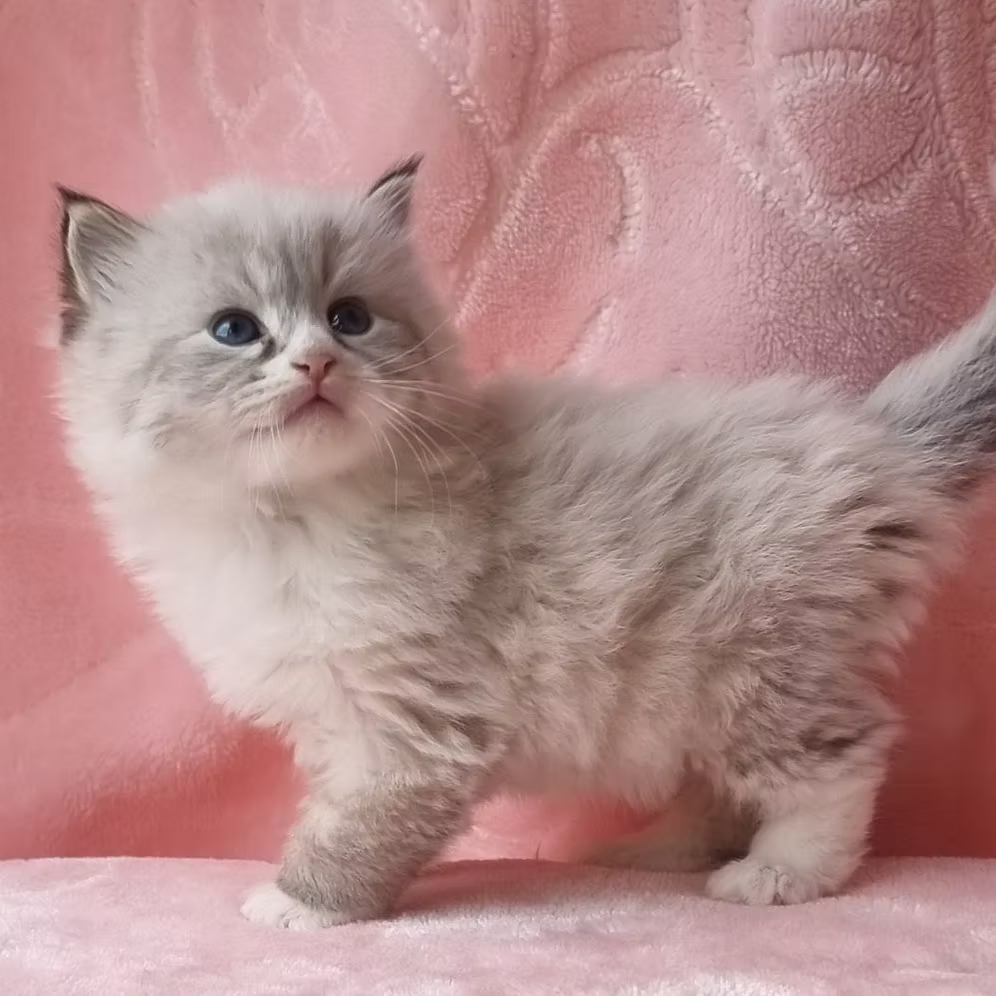
Anya Siberian female
$1,400.00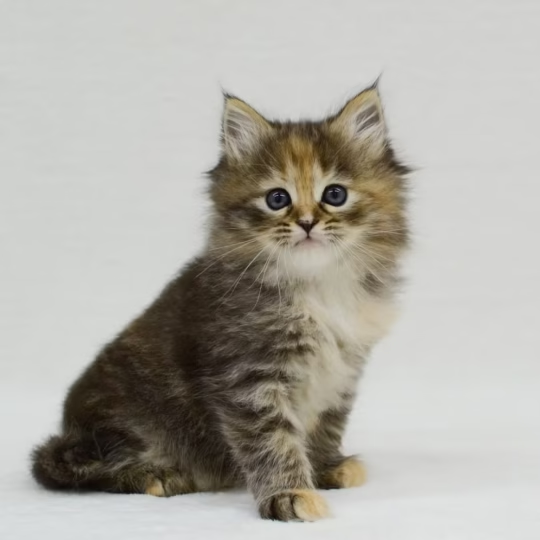
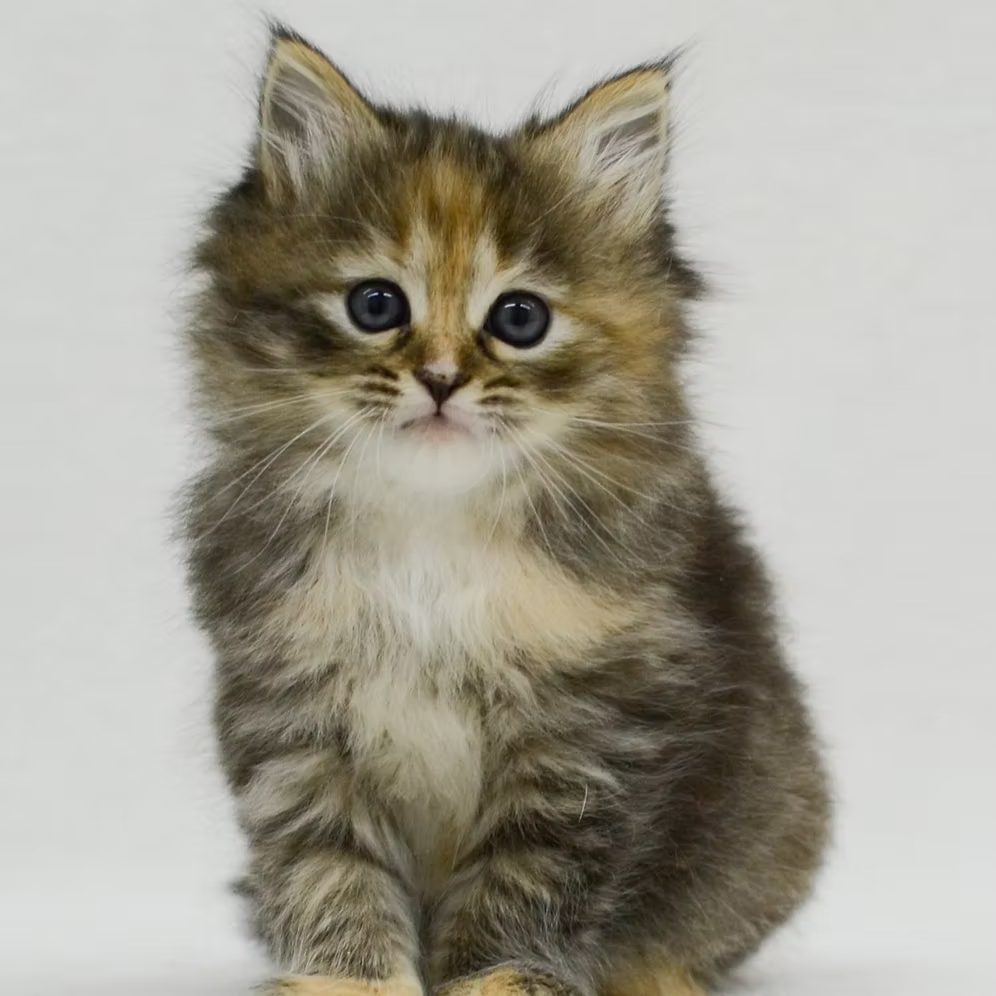
Katya Siberian female
$1,600.00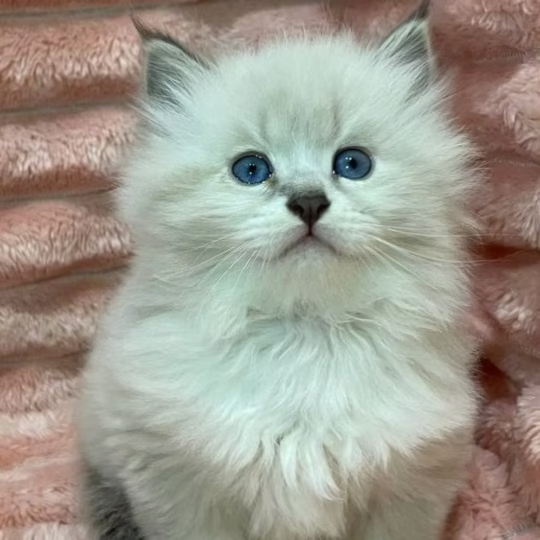
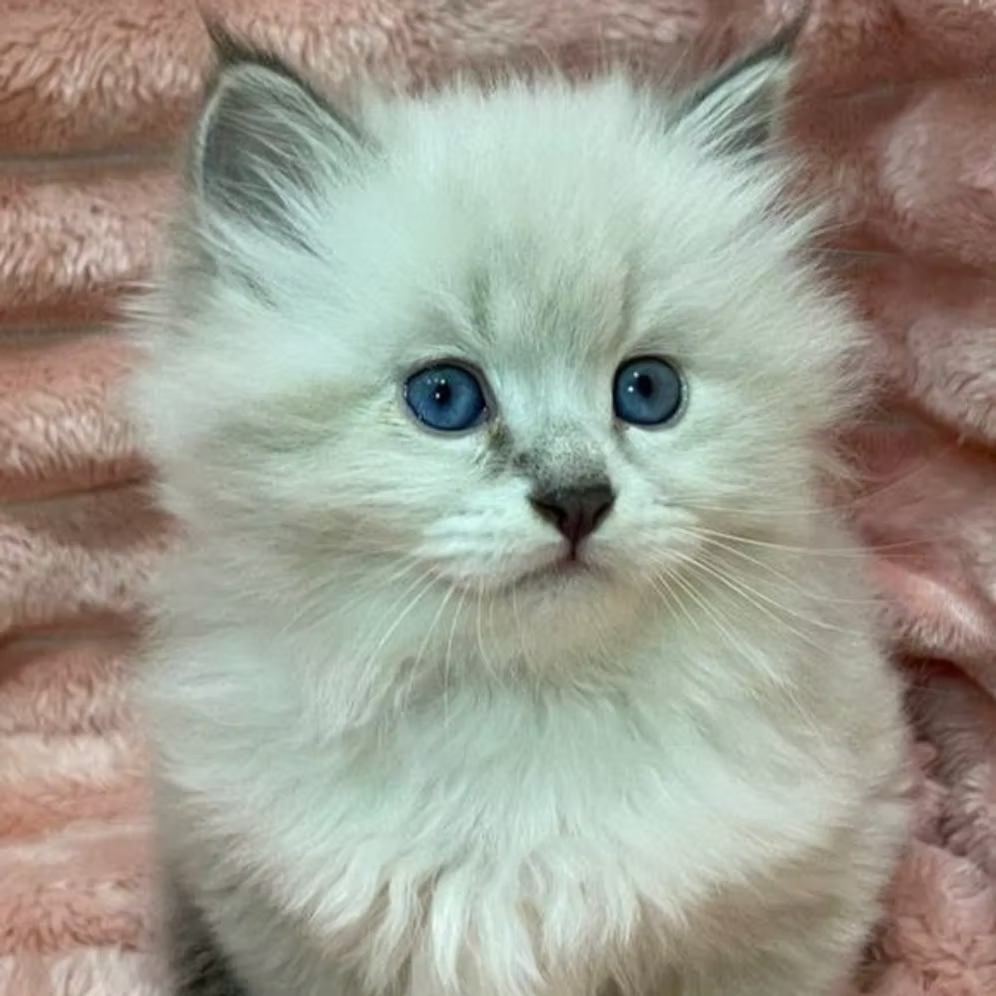
Leo Siberian male
$1,400.00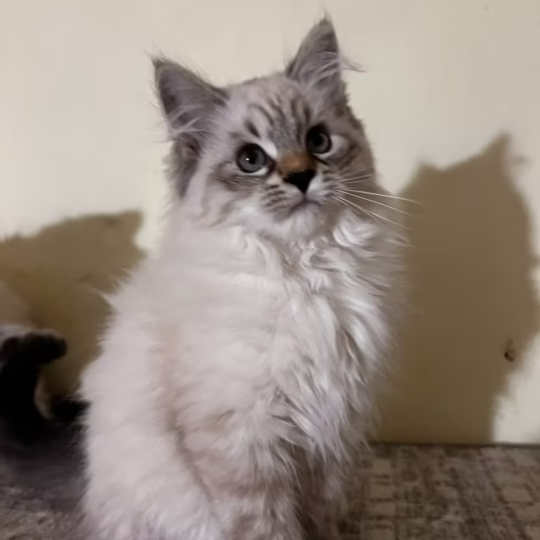
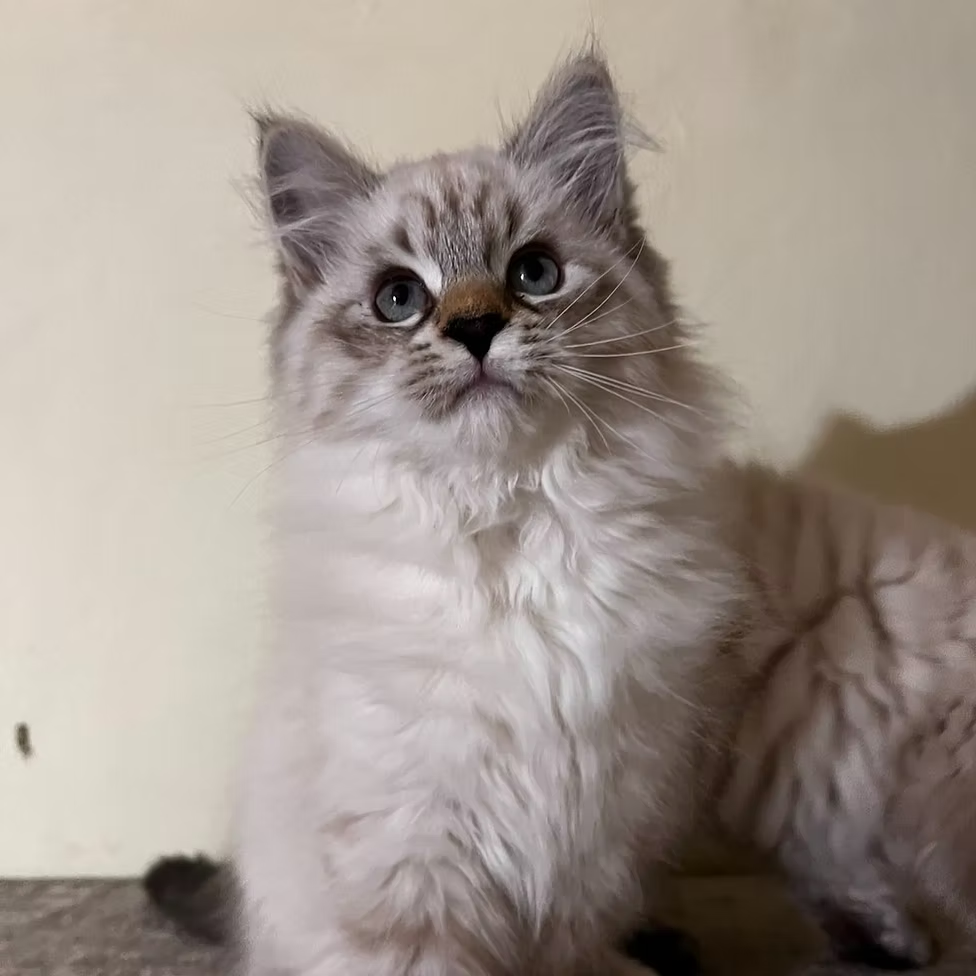
Misha Siberian male
$1,400.00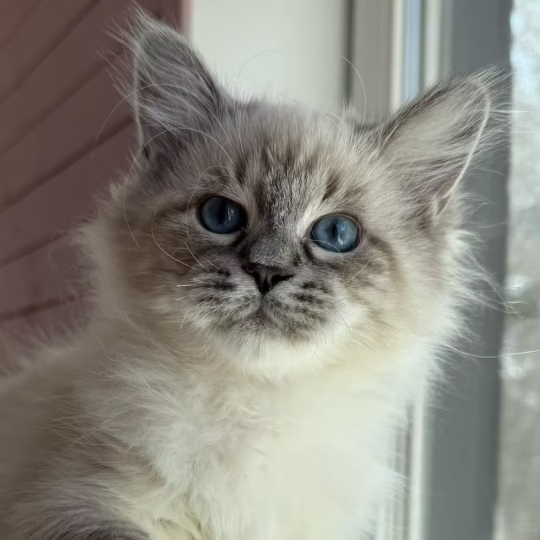
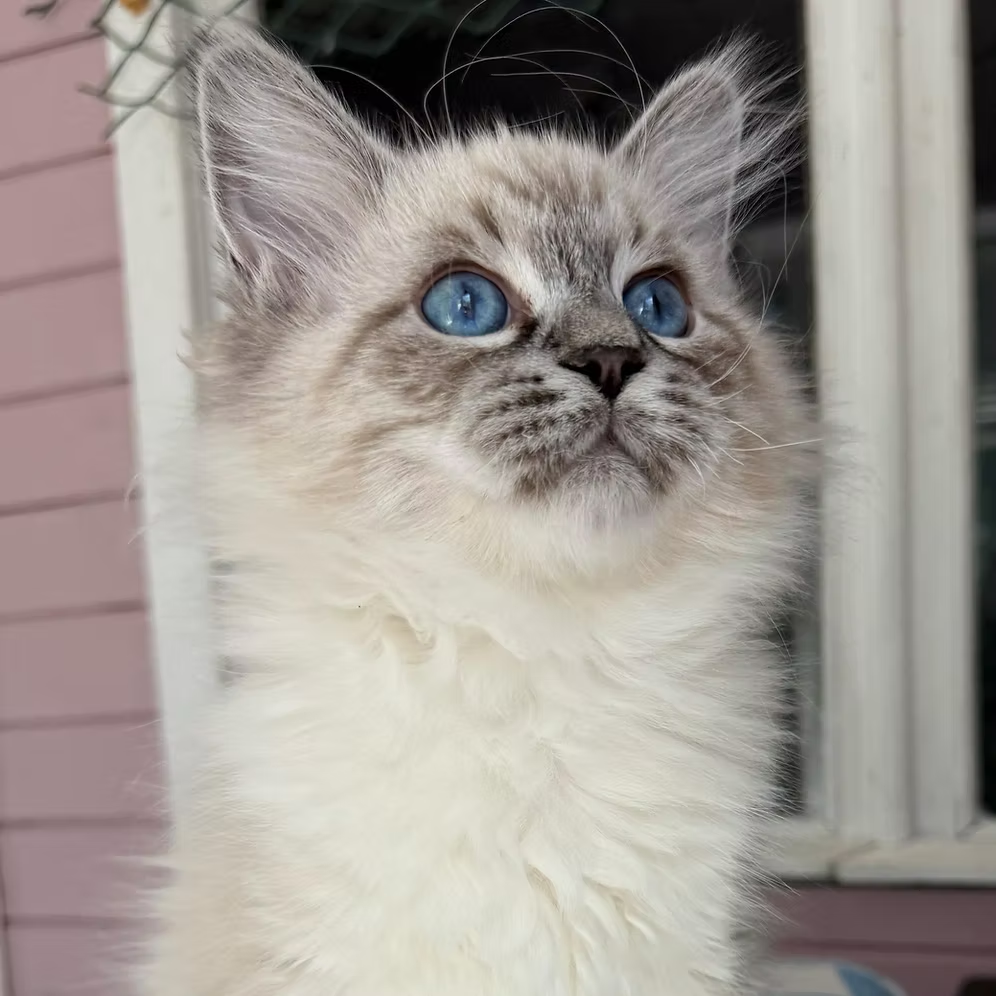
Nikolai Siberian male
$1,400.00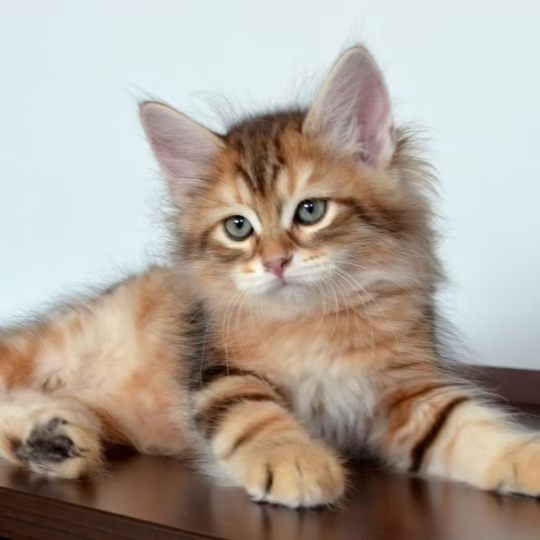
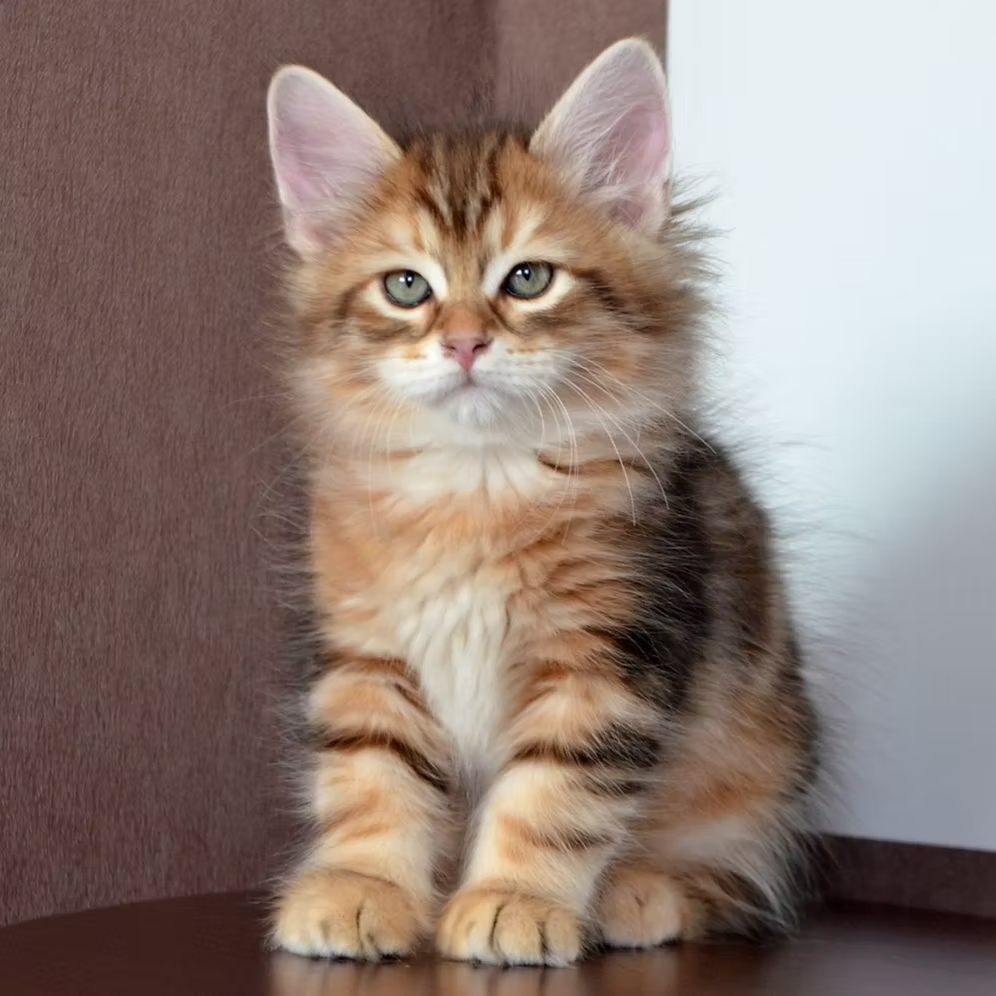
Nikolai Siberian male
$1,400.00